About
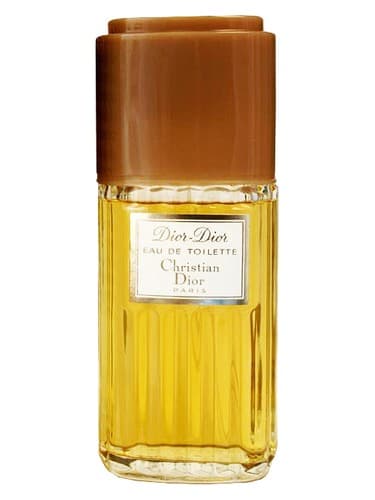
Edmond Roudnitska composed this chypre floral feminine fragrance for the house of Dior in 1976. Named simply after the house itself, it stands as a refined expression of classic French perfumery, reflecting the elegance and sophistication that defined the Dior aesthetic in the 1970s. The opening features airy aldehydes alongside lilac and jasmine, creating a soft, powdery floral introduction. The heart reveals narcissus and lily-of-the-valley, lending a green, spring-like delicacy. A warm base of oakmoss, woody notes, and amber anchors the composition with the structural depth characteristic of the chypre family.
Fragrance Notes
Middle Notes
Heart of the fragrance (2-4 hrs)
Base Notes
Dry down (4+ hrs)
Accords
white floral
fresh
woody
floral
green
mossy
aldehydic
yellow floral
amber
earthy
When to Wear
Best Seasons
Time of Day
☀️Day28%
🌙Night10%
Where to Buy
This site contains affiliate links. As an Amazon Associate and partner of other retailers, we earn from qualifying purchases at no extra cost to you.
Community Review
Roudnitska's masterpiece that failed commercially. A sophisticated vintage chypre enjoying critical reappraisal.
The Verdict
Dior Dior is one of perfumery's great tragedies. Launched in 1976, it was considered by its creator Edmond Roudnitska to be his finest achievement, the culmination of a legendary career that had already produced Diorissimo and Eau Sauvage. Yet it arrived at precisely the wrong cultural moment. The market had turned toward the bold, spicy orientals that Opium would soon define, and this refined, intellectual chypre never found its audience. Dior discontinued it, and Roudnitska was reportedly so devastated that he left the house entirely.
In the decades since, a quiet reappraisal has taken hold among vintage collectors and fragrance historians. Those who have experienced Dior Dior in good condition describe a sophisticated, layered composition that rewards patience and attention. It is the kind of fragrance that feels designed for someone who already knows what they like rather than someone still discovering their taste.
The tragedy is not that Dior Dior failed commercially. Many great fragrances have. The tragedy is that its failure cost the industry one of its most important creative relationships.
What It Smells Like
The opening is immediately classical, with aldehydes providing that sparkling, soapy lift characteristic of mid-century French perfumery. Lilac and jasmine bloom alongside them, creating a lush floral bouquet that signals elegance from the first moments on skin.
The heart deepens into narcissus and lily-of-the-valley, two flowers that Roudnitska handled with particular skill throughout his career. The narcissus brings a slightly animalic, honeyed quality that adds complexity, while the lily-of-the-valley provides a green, dewy freshness that keeps the composition from becoming heavy.
The base reveals the chypre architecture that defines the fragrance: oak moss provides the earthy, bitter foundation, supported by woodsy notes and amber. Vintage formulations in particular have a richness and depth in the base that modern IFRA-restricted compositions simply cannot replicate.
When to Wear It
Dior Dior belongs to cooler months and evening hours. Its formal, layered character makes it a natural companion for dinners, cultural events, and any occasion where understated sophistication is appropriate. Fall and winter provide the ideal backdrop for its heavy chypre base to unfold without becoming overwhelming.
This is not a fragrance for casual wear or office environments. It demands a certain context and confidence to carry properly.
Longevity & Projection
Vintage formulations deliver strong performance, with longevity well beyond 6 hours and good projection throughout the wear. The oak moss base provides lasting power that modern chypres often lack. Projection is noticeable without being aggressive, creating a refined sillage that suits its formal character.
The Community Says
The fragrance community has developed a reverent tone when discussing Dior Dior. Collectors describe it as "a creamy chypre that demands respect" and note that "a reappraisal of its merits appears to be taking place" among those who value classic construction. Roudnitska's own assessment of it as his finest perfume carries significant weight in these discussions.
The primary criticism is accessibility. Finding a bottle in good condition is increasingly difficult, and the heavy, formal character limits its versatility. Some describe it as "not for everybody, but perfect for vintage lovers," which captures both its appeal and its limitations. The heartbreaking backstory adds a layer of emotional resonance that few fragrances can match.
Who Should Buy This
Dior Dior is for serious fragrance enthusiasts who appreciate vintage chypres and the artistry of classical French perfumery. If names like Mitsouko, Cabochard, and Miss Dior (the original) resonate with you, this belongs in the same conversation. It also appeals to anyone interested in the history of perfumery and the creative tensions between commerce and art.
Avoid if you prefer modern, clean, or minimalist fragrances. The aldehydic opening and oak moss base will feel dated to anyone accustomed to contemporary designer releases.
The Bottom Line
Dior Dior stands as a monument to what happens when a great artist creates something the market is not ready for. Edmond Roudnitska poured his lifetime of craft into a composition that is both technically accomplished and emotionally rich. Nearly five decades later, the fragrance community is finally catching up to what he understood all along. For those willing to seek it out, Dior Dior offers a glimpse into a standard of perfumery that the industry has largely moved away from.
Consensus Rating
7.8/10
Community Sentiment
positiveSources Analyzed
5 community posts (1 Reddit) (4 forum)
Pros
- + Masterful Roudnitska composition
- + Rich layered chypre construction
- + Strong vintage performance
Cons
- - Extremely hard to find
- - Heavy formal character
- - Not for modern tastes
Best For
Formal dinnersEvening eventsCultural outingsSophisticated gatherings
Best Seasons
fallwinter
This review is based on analysis of 5 community discussions. Individual experiences may vary.