About
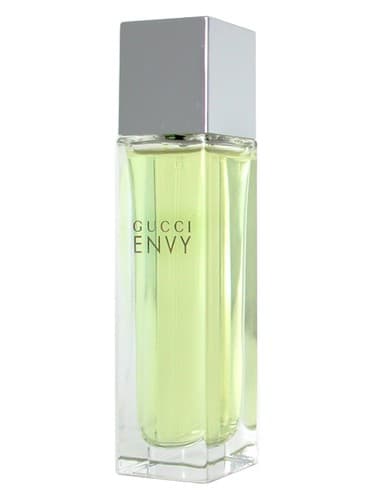
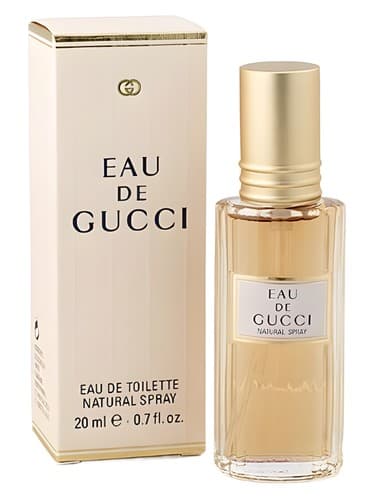
Michel Almairac crafted this opulent floral feminine composition for Gucci in 1993. It features a lavish multi-faceted structure built on verdant and citrus foundations. Hyacinth, galbanum, ylang-ylang, bergamot, mandarin, and lemon form the opening. An expansive floral heart showcases lilac, lily, tuberose, honeysuckle, jasmine, lily-of-the-valley, iris, violet, and rose. The base brings oakmoss, vetiver, musk, amber, cedar, and vanilla for warm, mossy depth.
Fragrance Notes
Accords
white floral
green
floral
woody
earthy
aromatic
powdery
citrus
fresh
yellow floral
When to Wear
Best Seasons
Time of Day
☀️Day28%
🌙Night13%
Where to Buy
This site contains affiliate links. As an Amazon Associate and partner of other retailers, we earn from qualifying purchases at no extra cost to you.
Community Review
An opulent, multi-layered green floral bouquet from 1993 that delivers an impressive composition of hyacinth, tuberose, and oakmoss, praised by collectors as one of Gucci's finest yet largely forgotten by the mainstream.
The Verdict
Gucci released Eau de Gucci in 1993, with Michel Almairac composing an opulent floral bouquet designed for a younger feminine audience. Despite this intended demographic, the result was anything but youthful simplicity -- Eau de Gucci delivers a lavish, multi-layered composition that rivals the great green florals of the preceding decades. Fragrantica featured it in a retrospective titled "Eau de Gucci: Spring, First Flowers, Youth," positioning it as a forgotten treasure.
Community opinion has been consistently positive among those who have encountered it. Fragrantica reviewers have called it "a floral bouquet of great distinction" and "one of Gucci's finest florals." Yet Eau de Gucci never achieved the fame of Rush, Envy, or the later Gucci by Gucci, leaving it as one of the most underappreciated entries in the brand's catalog.
What It Smells Like
The opening is a verdant burst of hyacinth, galbanum, and ylang-ylang supported by bergamot, mandarin, and lemon. The green notes are prominent and slightly sharp, creating an effect that one reviewer described as very green with lily-of-the-valley and hyacinth leading. The ylang-ylang adds a creamy, exotic quality that bridges the green opening into the floral heart.
The heart is extravagant in its breadth. Lilac, lily, tuberose, honeysuckle, jasmine, lily-of-the-valley, iris, violet, and rose compose an expansive floral tapestry. Fragrantica reviewers noted the tuberose arrival transforms the composition, adding what one called "that vixen bite" with a slightly powdery, very floral undertone. The effect is of a lush, almost recklessly abundant garden in full bloom.
The base of oakmoss, vetiver, musk, amber, cedar, and vanilla provides warm, mossy depth. Reviewers describe a minimally powdery ambery vanilla intertwined with the white floral notes that spill over into the final stages, creating an animalic, earthy drydown that some find skanky and naughty in the most complimentary sense.
When to Wear It
Eau de Gucci is a transitional-season fragrance, performing best in spring and fall when moderate temperatures allow its green-floral-mossy architecture to develop fully. Reviewers describe it as luminous, clear, and cosy, suitable for cool springtime and autumn evenings.
Its depth and complexity make it appropriate for elegant dinners, cultural outings, and afternoon gatherings where its elaborate floral character can unfold and be appreciated over time.
Longevity & Projection
Performance is a genuine strength of Eau de Gucci. One Fragrantica reviewer reported moderate sillage, splendid projection, and fourteen hours of longevity on their skin. While this may be exceptional, multiple reviews confirm that the fragrance delivers above-average staying power. The projection is assertive enough to be noticed but not overwhelming, with the mossy-floral drydown persisting well into the evening.
The Community Says
The fragrance community treats Eau de Gucci as a hidden gem of 1990s perfumery. Fragrantica's retrospective article positions it alongside other forgotten florals that deserve rediscovery, describing it as capturing the freshness of spring and first flowers. Reviewers appreciate its distinctive character -- the green opening, the opulent floral heart, and the animalic, mossy base create a narrative arc that rewards close attention. The oakmoss and musk in the base generate some of the most enthusiastic descriptions, with one reviewer calling the drydown animalic with some flowers in the background. Fragrantica, Basenotes, Parfumo, and PerfumeMaster have all contributed reviews.
Who Should Buy This
Eau de Gucci is ideal for vintage fragrance enthusiasts who love green florals with mossy depth. If you appreciate hyacinth, galbanum, and the kind of elaborate floral compositions that defined pre-minimalist perfumery, hunting down a bottle will reward you with one of the most generous bouquets of its era. It suits women who value complexity and character over modern commercial polish.
Anyone seeking something sleek, modern, or minimalist should look elsewhere. Eau de Gucci is unabashedly lush and operates by the more-is-more philosophy that defined early 1990s luxury fragrance.
The Bottom Line
Gucci Eau de Gucci is an opulent green floral bouquet that demonstrates what the house could achieve before minimalism overtook the industry. Its lavish composition of hyacinth, tuberose, and oakmoss creates a fragrance of genuine distinction and impressive longevity. For those who appreciate the generous spirit of 1990s florals, this overlooked Gucci offering remains one of the brand's finest achievements.
Consensus Rating
7.3/10
Community Sentiment
positiveSources Analyzed
4 community posts (1 Reddit) (3 forum)
Pros
- + Lavish, multi-layered floral composition with impressive depth and complexity
- + Distinctive green-floral character anchored by hyacinth and galbanum
- + Warm oakmoss-vetiver base provides earthy, sophisticated grounding
- + Exceptional longevity reported by multiple reviewers
Cons
- - Discontinued and increasingly rare on the secondary market
- - Can read as animalic or skanky, which polarizes some wearers
- - May smell dated or overly mature to younger fragrance enthusiasts
- - Green galbanum opening may be challenging for those unfamiliar with the note
Best For
autumn eveningselegant dinnerscultural outingsspring garden eventsafternoon gatherings
Best Seasons
springfall
This review is based on analysis of 4 community discussions. Individual experiences may vary.