About
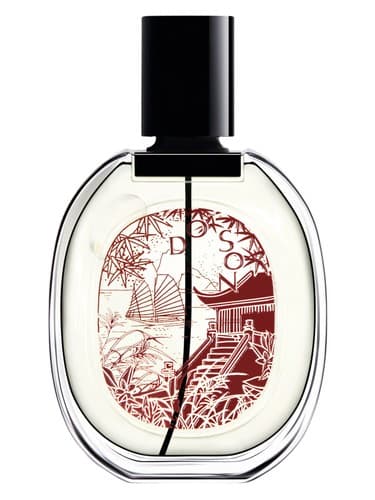
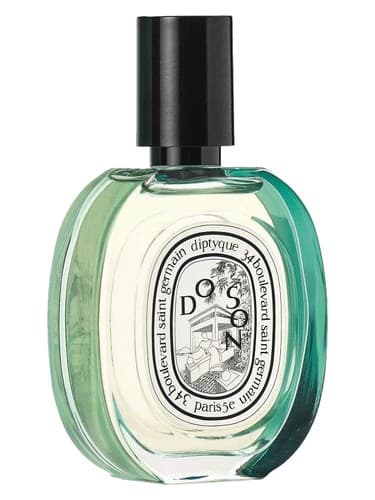
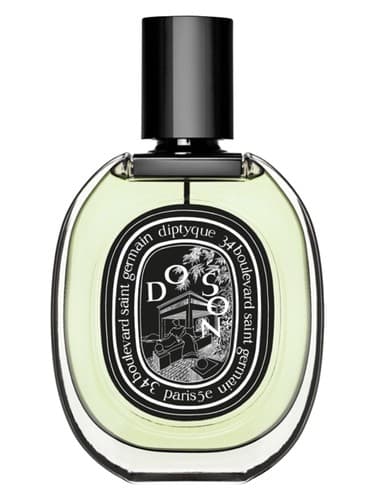
Do Son Eau de Parfum by Diptyque is a Floral fragrance for women and men. Do Son Eau de Parfum was launched in 2013. The nose behind this fragrance is Fabrice Pellegrin. The fragrance features Tuberose, Orange Leaf, Musk and Pink Pepper. "Tuberose asserts itself, expressing all its sunny, hazy, creamy, indolent seductiveness. Anyone with blood in their veins will succumb to the irresistible temptation of this insolently seductive white flower." - a note from the brand.
Fragrance Notes
Top Notes
First impression (15-30 min)
Accords
tuberose
white floral
musky
animalic
green
When to Wear
Best Seasons
Time of Day
☀️Day23%
🌙Night10%
Where to Buy
This site contains affiliate links. As an Amazon Associate and partner of other retailers, we earn from qualifying purchases at no extra cost to you.
Community Review
Tuberose for the Rest of Us — Do Son EDP by Diptyque
The Verdict
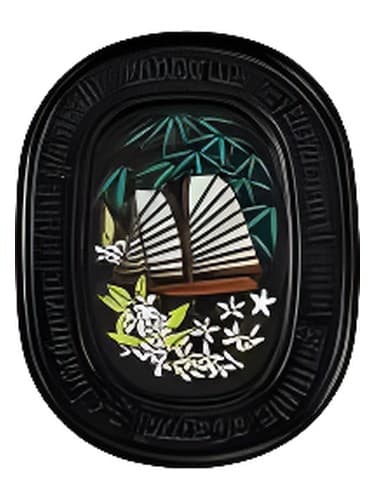
Diptyque Do Son's origin story is well-known in fragrance circles: it was inspired by Yves Coueslant's memories of the Vietnamese port city Do Son and its tuberose gardens, where the flower grows prolifically and fills the air with what he described as a transparent, luminous quality distinct from the intense florals of Western perfumery tradition. The original EDT launched in 2005. The EDP version arrived in 2013 and is now the format the community overwhelmingly recommends — not because the EDT is bad, but because the EDP captures something the EDT doesn't quite manage.
With nearly 2,900 community votes on Fragrantica, the EDP has established itself as one of the most recommended tuberose fragrances in the accessible niche space. The fragrance community's shorthand for it is "tuberose for people who find Fracas too much," which is both accurate and somewhat reductive — there's more happening here than simply a kinder, gentler version of a classic bombshell.
The note pyramid is deceptively simple: Tuberose, Pink Pepper, Petitgrain, and Musk are listed. The accords tell the real story — tuberose at 100%, white floral at 91%, musky, animalic, and green following behind. The animalic accord at 55% suggests there is more character here than the clean-floral reputation implies.
What It Smells Like
The opening is the most useful place to understand the EDT/EDP debate. The EDP begins with tuberose immediately — not the green, slightly raw tuberose of many soliflores, but something creamier and already softened. The Petitgrain adds a woody-green freshness that prevents the tuberose from becoming tropical or heavy, and the Pink Pepper contributes a slight friction that some reviewers describe as "scratchy" (in complaints) and others find essential (in praise).
Cafleurebôn described the EDP as "the heart of the flower" rather than the exterior — which captures it well. Where the EDT smells like standing near tuberose, the EDP smells like pressing your nose into the bloom. This is more intensely floral, more animalic, and more complex. Multiple community members who own both formats call the EDP better "by a long shot."
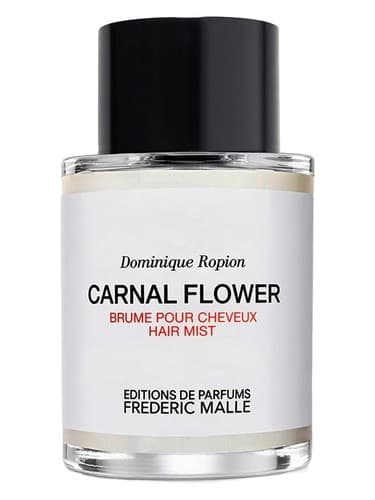
As it develops through the heart, the Musk begins to integrate with the tuberose in a way that generates the composition's most distinctive moment. Basenotes reviewers describe a hidden depth that arrives around the three-hour mark — "a gorgeous deep, woody, almost leathery musk" that the EDT does not develop. This is where the animalic accord from the community data becomes audible. It's not indolic in the way of Carnal Flower or Robert Piguet Fracas — it's more like the tuberose has absorbed warmth from skin and begun to interact with natural body chemistry.
The overall scent arc: clean and luminous in the opening, increasingly creamy and voluminous in the heart, warm and subtly animalic in the base. It is more complex than a first spray suggests.
When to Wear It
Year-round with adjustments. Spring and summer showcase the dewy, fresh aspects of the tuberose opening most clearly. Autumn shifts the emphasis toward the warmer, musky aspects of the drydown, which reads as more comforting than warm-weather florals typically manage. Winter is the one season where the EDP's subtle animalic quality feels most at home.
Day and evening wear both work. The Fragrantica community data shows roughly equal day and night preference, which is accurate — this is a feminine fragrance without any of the signaling that specifically places it in evening contexts. Office appropriate in conservative application; potentially distracting in enthusiastic application.
Longevity & Projection
The EDP delivers significantly better performance than the EDT, which is part of why the community recommends it without qualification. Community reports generally settle at 6-8 hours with moderate projection. Multiple reviewers note that it "absolutely does not perform as a body mist" — meaning over-application is easy and inadvisable. The tuberose concentration at higher application rates can become aggressive.
The projection is intimate to moderate — it does not announce itself across a room, but it is consistently present at close range. One reviewer who owns it specifically noted the EDP "won't disappoint people expecting something close to skin and private" while cautioning that "people expecting Fracas-level sillage will be underwhelmed."
The Community Says
The Basenotes community considers this a gateway fragrance to Diptyque and to tuberose generally. Multiple reviewers credit Do Son EDP with getting them into niche fragrance, describing it as the fragrance that "rocked their world" when they first encountered it in a boutique. The combination of luxury packaging, coherent storytelling, and genuinely beautiful juice makes it an effective ambassador for what niche fragrance can do relative to designer.
The criticisms cluster at two ends of the tuberose spectrum. Those who find tuberose overwhelming report that even this restrained version is "almost assaultive" — one Basenotes reviewer called it "a juggernaut of a tuberose" suggesting that "restraint" is relative to reference points. At the other end, those who want intense tuberose drama (Fracas fans, Carnal Flower devotees) find Do Son EDP too mild, too polished, too safe.
The pricing is a frequent discussion point. At roughly $200 for 75ml, it is not inexpensive for what some reviewers consider "a very simple, wearable scent" — but the house's pricing has been consistent, and Diptyque positions itself in the accessible niche tier where this price is standard.
Who Should Buy This
For tuberose lovers at every experience level. Beginners who want to understand what good tuberose smells like, and why the note has the following it does. Veterans who want a daily-wear option rather than a statement piece. Anyone whose primary complaint about classic tuberose fragrances is that they're "too much" — this is tuberose calibrated to be worn rather than performed.
Skip it if you need strong projection or if your tuberose preference specifically runs toward the indolic, heady, almost overripe end of the spectrum (Fracas, Tubereuse Criminelle, Beyond Love). Also skip if you're comparing cost per wear — at this price and this longevity, the math requires that you genuinely love what it does.
The Bottom Line
Do Son EDP is tuberose done with intelligence and restraint — not a diminished version of a classic style, but a complete rethinking of how the note can function in a modern, wearable composition. The hidden depth of the drydown rewards patience, and the whole thing smells like someone who knows exactly what they're doing, rather than someone wearing a fragrance. Whether that precision reads as mastery or as playing it safe depends entirely on what you want tuberose to do for you.
Consensus Rating
8/10
Community Sentiment
positiveSources Analyzed
13 community posts (6 Reddit) (7 forum)
This review is based on analysis of 13 community discussions. Individual experiences may vary.