About
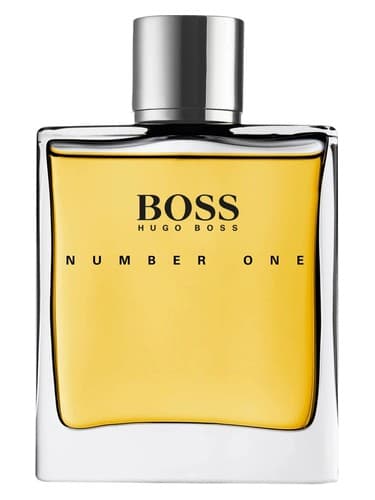
Pierre Wargnye composed this aromatic fougere for Hugo Boss in 1985. The composition presents a complex, multi-faceted masculine structure rooted in classic barbershop traditions. The opening is abundant with artemisia, juniper, bergamot, caraway, lemon, basil, green apple, and grapefruit. A rich floral-herbal heart follows with honey, lavender, rose, sage, jasmine, geranium, orris root, and lily-of-the-valley. Tobacco, oakmoss, patchouli, sandalwood, musk, amber, cinnamon, and cedar form a robust, enduring base.
Fragrance Notes
Accords
aromatic
woody
fresh spicy
honey
sweet
herbal
earthy
tobacco
warm spicy
mossy
When to Wear
Best Seasons
Time of Day
☀️Day17%
🌙Night19%
Where to Buy
This site contains affiliate links. As an Amazon Associate and partner of other retailers, we earn from qualifying purchases at no extra cost to you.
Community Review
A classic 1985 aromatic fougere that defined masculine elegance for a generation, though modern reformulations have significantly diminished the original's formidable presence.
The Verdict
Boss Number One holds a legendary status in masculine perfumery as the debut fragrance from Hugo Boss in 1985. Pierre Wargnye created what many consider the quintessential gentleman's scent of the era -- a bold, honeyed aromatic fougere that commanded respect in boardrooms and evening events alike. The fragrance even shared the Fragrance Foundation's 1989 "Fragrance of the Year" award with YSL's Jazz, cementing its place in history.
The vintage formulation remains deeply beloved by collectors and enthusiasts who remember its formidable projection and complex drydown. However, the modern version tells a different story entirely. Current production bottles, particularly those manufactured in Spain, have been widely criticized as pale shadows of the original. What was once a projection beast that lingered on pillows after a single spray has become, in the words of many community members, "weak as water."
What It Smells Like
The opening is a bracing blast of classic 1980s masculine energy. Bergamot, lemon, and grapefruit provide crisp citrus brightness, while caraway and juniper add herbal sharpness that immediately signals old-school sophistication. The vintage version opens more abrasively, with lavender and sage pushing forward aggressively alongside the aromatic herbs.
The heart is where Boss Number One truly distinguishes itself. A rich honey accord sweetens the composition beautifully, supported by rose and jasmine that add unexpected floral depth. This honeyed quality is the fragrance's signature, described by enthusiasts as addictive and unlike anything else in the category.
The base is a masterwork of 1980s power perfumery. Tobacco, oakmoss, and patchouli create a deep, earthy foundation, while amber, cinnamon, and sandalwood add warmth. The final drydown of honey, patchouli, and jasmine can last for hours on fabric.
When to Wear It
Boss Number One belongs firmly in cold-weather territory. It was designed in an era when fragrances needed to cut through cigarette smoke in clubs and restaurants, and its dense, rich composition thrives in autumn and winter air. This is a fragrance for formal occasions, business meetings, and sophisticated evening events where its classic gentleman's character can shine.
Avoid wearing it casually or in warm weather, where the heavy sillage and dense composition can become overwhelming. One or two sprays are sufficient for most settings.
Longevity & Projection
The vintage formulation was a legendary performer, regularly delivering 8-10 hours of wear time with powerful projection that could fill a room. Reviewers recall wives being able to smell it on pillows after a single spray. The sillage was strong within a two-meter radius without fogging up entire rooms.
Modern versions tell a different story, with many users reporting significantly reduced longevity and projection. The current production offers adequate but unremarkable performance, with the sillage becoming intimate relatively quickly. Those seeking the original experience should hunt for pre-reformulation bottles made in the UK.
The Community Says
The fragrance community is deeply divided on Boss Number One -- not on the quality of the original, which is nearly universally praised, but on the modern reformulation. Vintage enthusiasts describe it as "bold, brash, and really masculine" and "a strong and beautiful scent with a fantastic patchouli/jasmine/honey drydown." Some even call it the male equivalent of Chanel No. 5. However, those encountering only the current version often find it unremarkable, noting it ticks "all the stereotypical 80s powerhouse boxes" without the performance to back it up. Fragrantica, Basenotes, and Parfumo reviews consistently lament the reformulation.
Who Should Buy This
Boss Number One is ideal for men who appreciate classic, pre-reform barbershop masculinity and have the patience to source vintage bottles. If you value complex compositions over crowd-pleasing simplicity, and you enjoy fragrances with history and gravitas, this is a rewarding hunt. Vintage collectors will find well-preserved bottles particularly satisfying.
Those accustomed to modern designer performance should temper expectations with current production bottles, which serve more as a pleasant nod to the original than a faithful reproduction.
The Bottom Line
Boss Number One is a monument to 1980s masculine perfumery -- a honeyed, mossy, tobacco-laced fougere that defined an era of confident, unapologetic masculinity. The vintage formulation deserves its legendary reputation, but buyers should be aware that modern bottles are a significantly diluted version of what once was. For those willing to hunt for vintage stock, few fragrances offer this level of refined, classic character.
Consensus Rating
7.2/10
Community Sentiment
positiveSources Analyzed
9 community posts (4 Reddit) (5 forum)
Pros
- + Complex, multi-layered composition with outstanding honey-patchouli drydown
- + Exceptional longevity in vintage formulations (8-10+ hours)
- + Timeless masculine elegance suitable for formal occasions
- + Rich tobacco, oakmoss, and amber base that ages beautifully on skin
Cons
- - Modern reformulations are dramatically weaker than the original
- - Can smell dated or overly aggressive to contemporary noses
- - Difficult to find well-preserved vintage bottles
- - Heavy sillage of original may be too much for modern office environments
Best For
formal eventsbusiness meetingsevening dinnerssophisticated social gatherings
Best Seasons
fallwinter
This review is based on analysis of 9 community discussions. Individual experiences may vary.