About
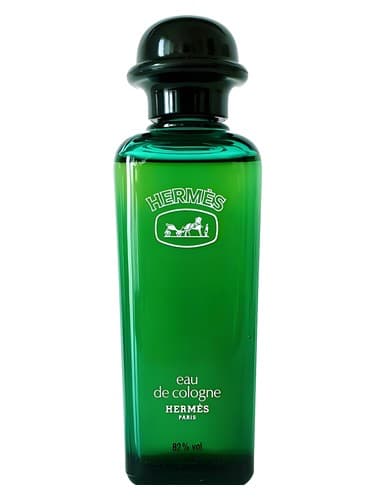
Hermès introduced Eau de Cologne Hermes in 1953, a Aromatic Fruity unisex fragrance crafted by Edmond Roudnitska. The composition opens with coriander, bergamot, lemon, mandarin orange, basil, mint, mango, papaya. The heart develops around lavender, petitgrain, neroli, rosemary, honeysuckle, lily-of-the-valley. A foundation of musk, sandalwood, patchouli, oakmoss, cedar anchors the dry down.
Fragrance Notes
Middle Notes
Heart of the fragrance (2-4 hrs)
Base Notes
Dry down (4+ hrs)
Accords
citrus
aromatic
fresh spicy
green
woody
white floral
lavender
herbal
When to Wear
Best Seasons
Time of Day
☀️Day28%
🌙Night4%
Where to Buy
This site contains affiliate links. As an Amazon Associate and partner of other retailers, we earn from qualifying purchases at no extra cost to you.
Community Review
A Master Perfumer's Citrus Cathedral — Eau de Cologne Hermes by Hermes
The Verdict
Eau de Cologne Hermes is a piece of fragrance history. Created in 1953 by Edmond Roudnitska, one of the most important perfumers who ever lived, this aromatic citrus composition was his second and final creation for the house. It went on to be reformulated and relaunched in 1979 as Eau d'Orange Verte (with work by Francoise Caron), but the original stands as a testament to what a master nose can do with the seemingly simple cologne format. With a 4.17 average from 263 community votes and 41% of voters calling it a favorite, this is one of the most respected colognes in existence, even if its fleeting nature is the price of admission.
What It Smells Like
The opening is a burst of Bergamot, Lemon, and Mandarin Orange that feels immediately brighter and more complex than a standard cologne. These are not flat, one-dimensional citrus notes. There is a sparkling quality to the top, almost effervescent, supported by unexpected touches of Basil, Mint, Coriander, and even Mango and Papaya that add unusual depth. One Fragrantica reviewer described spraying a vintage bottle and being transported to "a garden full of lemon trees" during childhood holidays in the south of France. The citrus is at once refreshing and rich.
The heart develops with Lavender, Petitgrain, Neroli, and Rosemary, creating an aromatic herbal layer that elevates this far above the simple splash-and-go eau de cologne category. Honeysuckle and Lily-of-the-Valley add subtle floral sweetness that keeps the aromatics from turning harsh or medicinal. This middle stage is where Roudnitska's genius shows most clearly. The transition from bright citrus to aromatic herbs is seamless, and the complexity means you keep discovering small details on repeated wearings.
The base brings Cedar, Oakmoss, Sandalwood, Patchouli, and Musk into a light chypre framework. In vintage formulations, the oakmoss was more prominent and gave the drydown a green, earthy richness. Modern versions, affected by IFRA restrictions, are somewhat airier in the base. A collector on Basenotes described the base of their vintage bottle as having "dark and fantastic" citrus that "fades quickly," but called the overall experience "a wonderful 3 hours."
The total effect is of a sophisticated aromatic citrus with genuine depth. Think of it as the difference between a glass of orange juice and a carefully constructed citrus cocktail with fresh herbs and a whisper of earthiness underneath.
When to Wear It
This is a summer and spring fragrance, full stop. The citrus-aromatic character sings in warm weather and loses its purpose when temperatures drop. The community votes heavily favor daytime use (28% day vs just 4% night), and that tracks perfectly with the composition's bright, refreshing personality.
This is the cologne you put on before a morning walk, before heading to a summer garden party, or before stepping into the office on a hot day when you want to smell polished without suffocating your colleagues. It is civilized, elegant, and unobtrusive in the best possible way.
One Fragrantica reviewer called it "the perfect cologne for a hot day" and described it as "completely unisex," and that assessment holds true seven decades after its creation.
Longevity & Projection
Here is the unavoidable truth about Eau de Cologne Hermes: it is an eau de cologne. The format was never designed for marathon performance, and this one follows the rules of its category. Expect 2 to 3 hours of wear time, with the beautiful citrus top fading within the first 30 to 45 minutes and the aromatic-chypre base lingering close to skin for the remaining time.
A Basenotes commenter noted that "wear time doesn't go past 3 hours but it is a wonderful 3 hours." Another reviewer described it as having "the limited sillage and longevity one would expect from an EdC." This is not a criticism of the fragrance so much as an acknowledgment of what the cologne concentration inherently delivers.
If you want the experience to last longer, apply generously and reapply throughout the day. Some wearers treat this as a ritual rather than a limitation, and the pleasure of reapplying something this well-made is part of the experience.
The Community Says
The community holds this fragrance in deep respect, even if the conversation often turns to vintage versus modern formulations. One collector on Fragrantica described their vintage copper-top mini-bottle as "immediately citrusy and refreshing" with "lavender and aromatic green herbs joined by light floral touches and a light chypre base." They called it "a conservative, traditional cologne" but meant that as a compliment, noting its quality is unmistakable.
A Basenotes discussion thread explored the differences between original, copper-cap, and modern formulations. One participant argued "the original is still the best," while another countered that "all of them are basically the same" with only "a slight nuance in the texture." The consensus seems to be that any version is worth experiencing, though vintage bottles with intact citrus oils offer a slightly richer experience.
One reviewer drew comparisons to other classics of the era, placing it alongside Eau Sauvage and Eau de Rochas Homme, noting that all these fragrances share a complexity that sets them apart from modern colognes, even in their reformulated states.
Who Should Buy This
This fragrance is for anyone who appreciates the art of perfumery and values refinement over raw power. If you have ever wondered what a truly great cologne smells like, as opposed to the drugstore variety, this is your answer. Fans of Eau d'Orange Verte will find its predecessor even more interesting, with slightly more complexity in the base.
Vintage fragrance collectors will want to hunt down older formulations, but even the modern version is worth exploring as an education in what the cologne format can achieve in the right hands.
Skip this if you need a fragrance that lasts all day. Skip this if cold weather is your primary wearing season. And skip this if you expect every fragrance purchase to deliver measurable sillage and longevity, because Eau de Cologne Hermes operates on a different set of values entirely. It is about quality of scent, not quantity of hours.
The Bottom Line
Eau de Cologne Hermes is a masterwork from one of the greatest perfumers in history, and it smells like it. The composition is sophisticated, beautifully balanced, and genuinely uplifting in warm weather. Its only real limitation is the one built into its DNA: it is an eau de cologne, and it behaves like one. If you can accept that trade-off, what you get in return is a few hours of some of the finest citrus-aromatic perfumery ever created. Roudnitska's genius is evident in every note transition, and seventy years later, this still sets the standard for what a refined cologne should be.
Consensus Rating
8.2/10
Community Sentiment
positiveSources Analyzed
5 community posts (3 Reddit) (2 forum)
This review is based on analysis of 5 community discussions. Individual experiences may vary.