About
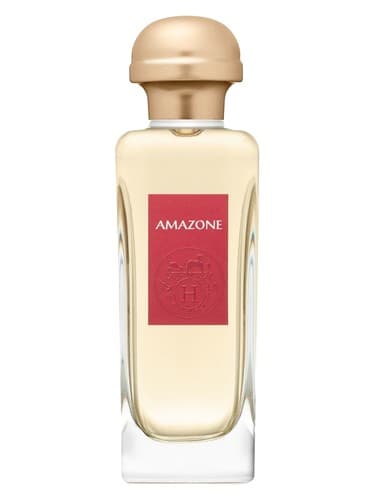
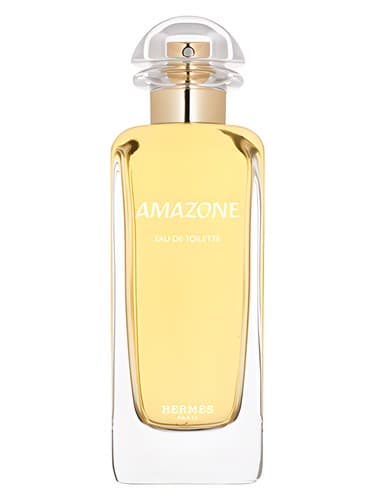
Maurice Maurin crafted this floral aldehyde composition for Hermès in 1974, drawing upon the mythological female horseback warriors said to have ruled the shores of the Black Sea. The fragrance stands as an emblem of liberated, modern femininity. An elaborate opening presents galbanum, cassia, neroli, Brazilian rosewood, mandarin, bergamot, and violet leaf. The lush heart unfolds with hyacinth, narcissus (jonquil), black currant, rose, iris, orris root, jasmine, raspberry, and lily-of-the-valley in a verdant floral harmony. The base rests on oakmoss, vetiver, neroli, cedar, sandalwood, cinnamon, ylang-ylang, and amber, grounding the composition with earthy depth. Built around the distinctive black currant bud note, the overall character presents a green floral harmony where narcissus, galbanum, red fruits, and vetiver engage in an elegant interplay.
Fragrance Notes
Top Notes
First impression (15-30 min)
Middle Notes
Heart of the fragrance (2-4 hrs)
Base Notes
Dry down (4+ hrs)
Accords
green
woody
aromatic
earthy
fruity
floral
citrus
powdery
iris
yellow floral
When to Wear
Best Seasons
Time of Day
☀️Day25%
🌙Night11%
Where to Buy
This site contains affiliate links. As an Amazon Associate and partner of other retailers, we earn from qualifying purchases at no extra cost to you.
Community Review
A crisp, green floral chypre built around blackcurrant bud that represented liberated femininity in 1974 and remains an elegant, if underappreciated, vintage treasure.
The Verdict
Hermes Amazone arrived in 1974 as a bold statement of liberated femininity, named after the mythological female warriors who ruled the shores of the Black Sea. Perfumer Maurice Maurin orchestrated the composition around a distinctive blackcurrant bud note, creating what many consider a perfectly balanced green floral chypre. It was a classy, grown-up option for aspirational women who wanted to be taken seriously, and it did garner a cult following over time.
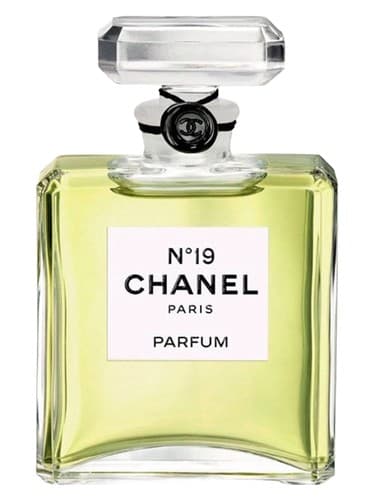
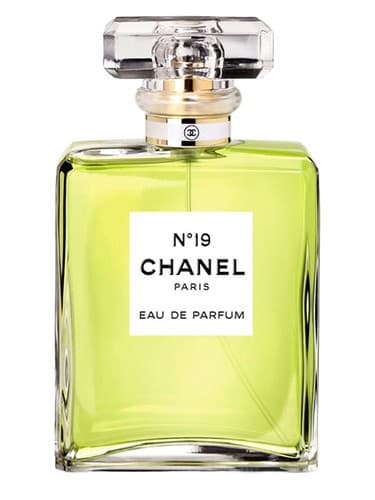
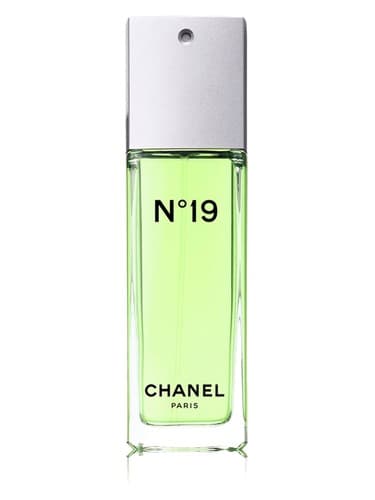
Yet Amazone never achieved the fame of its stablemate Caleche, partly because its arrival coincided with a shift in consumer tastes toward sharper, more tomboyish fragrances like Revlon Charlie and Chanel No. 19. Luca Turin summed up the paradox in Perfumes: The Guide, calling it "a beautifully done and deeply uninteresting woody floral, notable only for the fact that the competition is so bad these days." What once made Amazone feel conservative now makes it feel refreshingly original.
What It Smells Like
The opening is a crisp, starchy burst of green energy. Galbanum and violet leaf provide a sharp, dewy character, while bergamot and mandarin add citrus brightness. Neroli lends a waxy floral quality that bridges the gap between the green top and the lush heart.
The middle accord is where Amazone truly blooms. Blackcurrant bud is the star, providing an acidulated tartness that cuts through the floral richness of narcissus, hyacinth, and jasmine. Iris and orris root contribute powdery elegance, while rose and lily-of-the-valley add classical femininity. The overall effect is a green floral harmony that feels both piercing and refined.
The base settles into a coy interplay of vetiver and oakmoss, grounded by sandalwood and warmed with amber and cinnamon. The eau de parfum version is described as having a warmer, mossier pulse that goes straight to the heart, while the EDT presents as greener and more morning-like.
When to Wear It
Amazone thrives in cooler temperatures. Multiple reviewers noted temperature sensitivity, with the fragrance performing best in autumn and spring when its green, mossy character can unfold properly. Hot weather tends to flatten the composition and diminish its appeal.
This is a fragrance for cultivated settings -- office days, cultural outings, elegant lunches, and afternoon gatherings where its quiet sophistication can be appreciated without needing to fill a room.
Longevity & Projection
Vintage Amazone delivers respectable longevity, with the EDT offering moderate staying power that evolves beautifully over several hours. The projection is contained rather than expansive, sitting close to the skin and rewarding those who lean in. The eau de parfum version projects more assertively and lasts longer, with the mossy base persisting well into the evening. The fragrance becomes more exquisite as the hours pass, with the drydown often cited as the most rewarding phase.
The Community Says
The fragrance community regards Amazone as a hidden gem of the Hermes catalog. Enthusiasts describe it as capturing "soft subtlety, an evolution of complementary notes and sweet nuances, with unique originality and timeless beauty." The Black Narcissus blog called it "truly elegant" and positioned it as "the slightly more brooding and restless alter ego" to Caleche. Others praise the way its florals are dynamic and its woods rich but understated, with an acidulated snap that defies today's trend toward sweetened compositions. However, it remains polarizing -- some reviewers have dismissed it as a "spicy fabric softener" that fails to deliver on its listed notes. Fragrantica, Basenotes, Parfumo, and multiple fragrance blogs have covered this classic extensively.
Who Should Buy This
Amazone is ideal for vintage fragrance collectors and women who appreciate the structural beauty of classic green floral chypres. If you love the interplay of blackcurrant, galbanum, and oakmoss, and you value understated elegance over crowd-pleasing sweetness, hunting down a well-preserved bottle will be deeply rewarding.
This is not the fragrance for anyone seeking a modern, approachable floral or a compliment-getter. Its appeal is intellectual and aesthetic, rewarding the wearer rather than the room.
The Bottom Line
Hermes Amazone is a sophisticated green floral chypre that was ahead of its time in 1974 and has circled back to relevance as modern perfumery drowns in sweetness. Its distinctive blackcurrant bud signature, elegant floral heart, and mossy-vetiver base compose a fragrance of rare refinement. For those willing to seek out vintage bottles, Amazone offers a masterclass in how Hermes once defined feminine elegance.
Consensus Rating
7.4/10
Community Sentiment
positiveSources Analyzed
5 community posts (2 Reddit) (3 forum)
Pros
- + Complex, multi-layered green floral composition with outstanding depth
- + Distinctive blackcurrant bud note creates a unique acidulated signature
- + Timeless elegance that defies trends and feels novel today
- + Beautiful drydown of oakmoss, vetiver, and sandalwood
Cons
- - Extremely difficult to find in original vintage formulation
- - Can smell dated or overly mature to younger noses
- - Temperature sensitive -- works best in cooler weather
- - Overshadowed by Hermes Caleche and never achieved mainstream cult status
Best For
officecultural eventsautumn walkselegant lunchesafternoon tea
Best Seasons
springfall
This review is based on analysis of 5 community discussions. Individual experiences may vary.