About
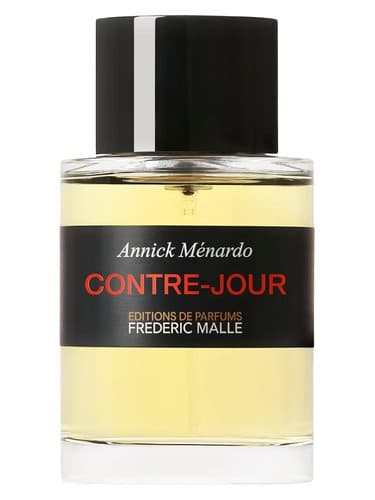
Contre-Jour by Frederic Malle is a fragrance for women and men, introduced in 2026. Part of the Frederic Malle collection, this scent offers a distinctive character that has earned it a place among fragrance enthusiasts.
Community Review
Frederic Malle's Contre-Jour marks a historic new chapter as the first fragrance created without the founder's direct involvement, delivering an unconventional immortelle-rose-sandalwood composition by Annick Menardo that has divided early reviewers.
The Verdict
Contre-Jour is a fragrance of firsts. Released in February 2026, it is the first Frederic Malle perfume not to have been directed by the founder himself, and it marks the debut of legendary perfumer Annick Menardo within the house. Menardo, whose credits include Lolita Lempicka, Acqua di Gio, Boss Bottled, and Le Labo's Patchouli 24, brings decades of experience to a composition built around the Mediterranean everlasting flower, immortelle.
The name references contre-jour photography, where a subject is backlit to create dramatic contrasts between light and shadow. The fragrance follows this concept, juxtaposing the bright, herbal warmth of immortelle against the rich depth of rose absolute and smooth sandalwood. It is a composition that defies easy categorization, which is both its greatest strength and its most divisive quality.
Early community response has been cautiously positive but far from unanimous. Supporters praise it as staying true to the Frederic Malle ethos of artistic perfumery. Critics find it uninspiring compared to the house's benchmark releases, with some expressing outright boredom.
What It Smells Like
Contre-Jour opens with the dry, herbal warmth of immortelle, the golden Mediterranean flower known for its sun-baked, slightly curry-like aroma. This opening is distinctly dry and spicy, with a pronounced herbaceous quality that early reviewers describe as sun-warm and brittle, almost factual in its rendering. There is a noticeable alcohol sharpness in the first moments that dissipates within minutes.
As the composition develops, spicy rose absolute emerges in the heart alongside narcissus, softening the initial austerity of the immortelle. After approximately thirty minutes, the rose rounds the sharpness and brings a floral depth that anchors the composition. The interplay between the yellow, hay-like immortelle and the deep red character of the rose creates the contre-jour contrast the name promises.
The base resolves into smooth sandalwood oil, which adds a creamy, woody warmth. Several reviewers detected powdery, musky, and slightly vanilla-like qualities in the dry-down, giving the later hours a more approachable and contemplative character. One community member described it as a really well-blended, complex, warm rose with a woody and elegant dry-down.
When to Wear It
Contre-Jour leans toward warm weather wear, where the immortelle note truly comes into its own. The Mediterranean everlasting flower resonates most powerfully in summer heat, evoking the sun-baked maquis landscape of southern France and Corsica. Autumn is also appropriate, as the composition's warm, resinous qualities complement cooler temperatures.
This is a fragrance for creative settings and unhurried moments rather than corporate environments. Its unconventional character makes it best suited to weekends, artistic gatherings, and occasions where individuality is valued. The unisex positioning works in practice, though some early reviewers noted it leans slightly masculine.
Longevity & Projection
Early reports indicate that Contre-Jour performs well in both longevity and projection, maintaining the high standards expected from Frederic Malle's eau de parfum concentration. The immortelle and sandalwood base provides a lasting foundation that carries the composition through a full day of wear.
Projection is described as above average, creating a noticeable aura without becoming aggressive. The fragrance evolves meaningfully on skin over several hours, rewarding patience with its gradual shift from herbal dryness to warm, woody softness.
The Community Says
As a very recent February 2026 release, community opinions are still forming, but early impressions reveal a divided response. On Fragrantica, one reviewer appreciated the dry herbal opening and curry-like woody character of the immortelle, noting that the rose eventually softens the composition beautifully. Another described it as a very pretty and subtle warm, musky, powdery vanilla in the dry-down.
However, not all voices are enthusiastic. Some community members find it boring and better suited to those who enjoy naturally smelling fragrances rather than dramatic statement pieces. Others compared elements of the composition to existing fragrances, questioning whether it brings sufficient novelty. One reviewer reported detecting a wall of wood and musk with an almost smoky quality that they found more masculine than expected.
Who Should Buy This
Contre-Jour is best suited to Frederic Malle enthusiasts who appreciate the house's commitment to artistic perfumery and want to experience its new creative direction under different leadership. Fans of immortelle-based fragrances will find a sophisticated and well-crafted interpretation here, and those who enjoy warm, herbal, natural-smelling compositions will likely appreciate its character.
This is not the fragrance for those seeking broad, crowd-pleasing appeal. The immortelle's curry-like dry warmth is inherently polarizing, and the composition rewards educated noses more than casual wearers. First-time Frederic Malle buyers would be better served starting with established classics from the line.
The Bottom Line
Frederic Malle's Contre-Jour marks a significant new chapter for the house, pairing master perfumer Annick Menardo with the brand's legacy of uncompromising artistry. The immortelle-rose-sandalwood composition is thoughtful and well-executed, delivering genuine complexity and above-average performance, though early community response suggests it may need time to find its audience among the house's more polarizing offerings.
Consensus Rating
7/10
Community Sentiment
mixedSources Analyzed
5 community posts (1 Reddit) (4 forum)
Pros
- + Significant debut by master perfumer Annick Menardo for the prestigious house
- + Unusual and well-executed immortelle note brings warmth and herbal complexity
- + Above-average projection and longevity maintain the brand's quality standards
- + Rose and sandalwood base provides an elegant, wearable foundation
Cons
- - Immortelle's curry-like dryness can feel challenging to some noses
- - Some reviewers find it boring compared to the house's more celebrated releases
- - The smoky, woody dry-down reads masculine to certain wearers despite unisex positioning
- - Limited track record as a very new February 2026 release
Best For
creative and artistic settingsautumn evening outingscasual weekend wear
Best Seasons
summerfall
This review is based on analysis of 5 community discussions. Individual experiences may vary.