About
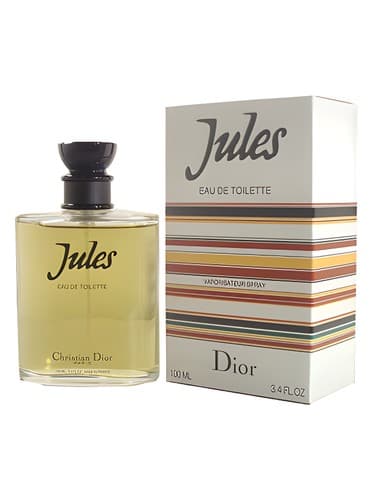
Jules by Dior is a Aromatic Green fragrance for men. Jules was launched in 1980. The nose behind this fragrance is Jean Martel. Top notes are Lavender, Artemisia, Caraway and Bergamot; middle notes are Carnation, Rose, Basil, Cedar, Cyclamen, Sandalwood and Jasmine; base notes are Oakmoss, Leather, Fir, Musk, Amber and Tonka Bean. Jules is game, smile, fantasy, charm. Jules is gentle, yet strong, determined. Jules is always free, always on the run, but manages to do it all. Jules on the vacation: you can see him everywhere. Jules at work: he isn’t obsessed with the boss image. Jules at night: the whole night belongs to him. Jules early in the morning: he dresses up, lights a cigarette and happily takes off, masculine and careless. These are the characteristics of Christian Dior’s fragrance. Before it appeared in 1980, Dior started a commercial campaign to prepare men for the new fragrance, provocatively named Jules. Jules is a name, yet at the same time it represents “the man, the seducer” – that’s what they called pimps back in the 19th century. The commercial campaign (the posters were made by the famous Rene Gruau) caused so much interest that, when it finally came out, it got sold out at the spot. The perfume is very masculine but elegant, with non-glaring but noticeable amber and notes of leather, flowers and aromatic herbs. It opens with Artemisia, lavender, cumin and bergamot. The heart is filled with jasmine, cyclamen, cedar, basil, rose and sandalwood. The base is composed of leather, Tonka bean, oakmoss, amber, suede and musk. The bottle is now different: transparent, elegant with a black stopper.
Fragrance Notes
Accords
aromatic
fresh spicy
woody
mossy
floral
leather
herbal
earthy
fresh
powdery
When to Wear
Best Seasons
Time of Day
☀️Day17%
🌙Night16%
Where to Buy
This site contains affiliate links. As an Amazon Associate and partner of other retailers, we earn from qualifying purchases at no extra cost to you.
Community Review
Liquid Confidence from a Lost Era — Jules by Dior
The Verdict
Dior Jules, originally composed by Jean Martel in 1980, represents a particular strain of masculine perfumery that has all but vanished from department store shelves. It is a leather chypre of uncommon sophistication -- suave and animalic yet never crude, built on a foundation of oakmoss and bitter greens that speak to an era when men's fragrances were expected to carry weight and complexity.
The story of Jules is inseparable from its reformulation history. The original formula stood as one of the finest leather chypres of the 1980s, but a 2016 re-orchestration by Francois Demachy replaced the original Martel composition with something thinner and paler. The community's grief over this change colors nearly every discussion of the fragrance. What remains is a tale of two perfumes sharing one name, and knowing which version you are evaluating makes all the difference.
What It Smells Like
The opening is a bracing green statement. Artemisia and bitter herbal notes arrive with authority, joined by bergamot and a whisper of basil and caraway that lend an almost culinary sharpness. There is nothing tentative about this introduction -- it announces itself as something substantial and unbothered by trends.
The heart unfolds with lavender woven through carnation and jasmine, creating a spicy floral accord that feels robust rather than pretty. Rose appears in a supporting role, adding texture without sweetness. The interplay between the aromatic herbs and the florals gives Jules a three-dimensional quality that rewards attention.
The base is where the magic lives. Oakmoss provides the chypre backbone, dark and earthy, while leather and sandalwood contribute warmth and depth. Cedar adds structure, amber and tonka bean bring a subtle sweetness, and musk ties everything together into a drydown that one reviewer described as "pure class in a bottle." The leather here is not aggressive or confrontational but rather the scent of a well-worn briefcase in an oak-paneled office.
When to Wear It
Jules belongs to the cooler months and the more serious moments. Fall and winter are its natural home, where the mossy leather base harmonizes with cool air and heavy fabrics. Spring evenings can work, but summer heat would overwhelm its dense structure.
Business meetings, formal dinners, and evening events are where Jules earns its keep. This is a fragrance that projects competence and refinement without shouting. It pairs with wool suits and leather shoes, with dimly lit restaurants and important conversations. It is decidedly not a casual weekend scent.
Longevity & Projection
The original formulation was a genuine powerhouse. Community reports from pre-2016 bottles describe longevity exceeding 10 hours with projection reaching roughly six feet during the first few hours before settling into a substantial sillage bubble. The fragrance evolved beautifully over its extended wear time, revealing new facets as the hours passed.
The reformulated version tells a different story. Longevity drops noticeably, and the projection becomes more modest. The rich oakmoss base that anchored the original's staying power has been diluted, and with it, much of the fragrance's ability to project and endure. If you are purchasing a current bottle, temper your expectations accordingly.
The Community Says
Reformulation is the topic that dominates every Jules discussion. The sentiment is nearly universal: "Few things have ever smelled as good as Jules as it was until around 2008." Those who experienced the original speak of it with a reverence usually reserved for discontinued legends, calling it liquid confidence and one of the great masculine achievements in perfumery.
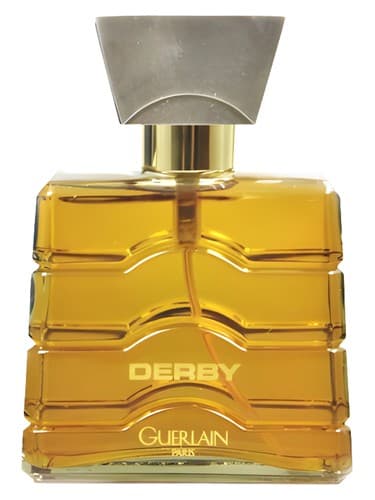
The current version receives a more measured response. Some appreciate it as a pleasant aromatic fougere in its own right, while others find the comparison to its former self too painful to overlook. Comparisons to Guerlain Derby and Van Cleef Pour Homme surface frequently, with Jules occupying the sharper, more animalic end of the leather chypre spectrum. A few longtime wearers note that the oakmoss character can read as dated to younger noses accustomed to modern freshness.
Who Should Buy This
Jules is for the man who understands what a leather chypre is and actively seeks one. If you appreciate vintage masculine perfumery, if oakmoss and animalic leather notes appeal rather than alarm you, and if you value depth and sophistication over mass appeal, Jules belongs on your radar.
Collectors should prioritize sourcing pre-2016 bottles, where the original Martel formula delivers the full experience. The reformulated version, while competent, is a fundamentally different fragrance that lacks the richness and authority that made Jules legendary. Those new to vintage-style masculines may find it challenging as a starting point -- consider it after you have developed an appreciation for the chypre family.
The Bottom Line
Dior Jules in its original form stands as one of the finest leather chypres of the 1980s, a fragrance of remarkable balance that married bitter greens, sophisticated florals, and animalic leather into something that genuinely earned the description of liquid confidence. The reformulation has dimmed its brilliance considerably, making vintage bottles the only path to experiencing what made Jules a quiet legend among those who value substance over spectacle.
Consensus Rating
7.6/10
Community Sentiment
mixedSources Analyzed
10 community posts (5 Reddit) (5 forum)
This review is based on analysis of 10 community discussions. Individual experiences may vary.