About
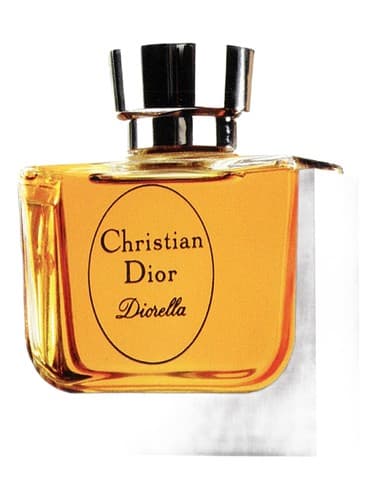
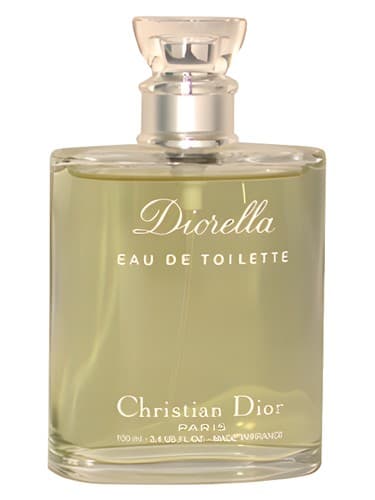
Diorella from Dior is a Chypre Floral women's fragrance introduced in 1972 by master perfumer Edmond Roudnitska. Embodying the free-spirited ethos of its era, this fresh floral chypre opens with green notes, Sicilian lemon, bergamot, basil, and melon. Honeysuckle, Moroccan jasmine, peach, carnation, cyclamen, and rose create a graceful heart. Oakmoss, vetiver, patchouli, and musk bring classic chypre depth to the dry-down.
Fragrance Notes
Accords
citrus
green
aromatic
white floral
earthy
mossy
fresh spicy
fruity
woody
floral
When to Wear
Best Seasons
Time of Day
☀️Day29%
🌙Night7%
Where to Buy
This site contains affiliate links. As an Amazon Associate and partner of other retailers, we earn from qualifying purchases at no extra cost to you.
Community Review
Dior Diorella, Edmond Roudnitska's personal favorite creation, is a fresh floral chypre from 1972 that captures the free-spirited energy of its era with citrus, melon, and oakmoss, though modern reformulations have softened its original depth.
The Verdict
Dior Diorella, created by the legendary Edmond Roudnitska in 1972, holds the rare distinction of being its creator's personal favorite among all his compositions. This fresh floral chypre perfectly captures the free-spirited ethos of the early 1970s, when gender lines were blurring, fashion was becoming democratic, and the cultural mood was one of liberation and experimentation.
The fragrance community reveres Diorella as a masterwork of classic perfumery, though the conversation inevitably turns to the difference between vintage and modern formulations. The 2009 reformulation by Francois Demachy, made to comply with IFRA ingredient restrictions, is generally considered recognizably Diorella but lighter, less complex, and more cologne-like than the original. Despite this, even the current version is widely praised as better than the vast majority of mainstream fruity perfumes available today.
What It Smells Like
The opening arrives with a combination of lemon and bergamot that creates a zingy, citrus-forward freshness. The effect is not the sparkling, aggressive citrus of modern colognes but something gentler, warmer, and more nuanced. Green notes add an herbal, almost basil-like quality while the famous melon note follows, initially green but becoming increasingly ripe as it progresses.
The heart reveals a graceful floral arrangement where jasmine and honeysuckle interweave with rose, peach, and carnation. The honeysuckle is jasmine-like yet smoother and slightly green, while the carnation adds a spicy edge. The overall floral character is gentle and feminine without being heavy or dense.
The base is where Diorella's chypre identity emerges. Oakmoss provides the earthy, mossy depth that is the hallmark of the chypre family, while vetiver adds a rounded, creamy greenness. Patchouli contributes subtle warmth and musk extends the composition into a lingering, skin-like finish. The vintage version had a deep, languid quality in its oakmoss that the modern version, while still enjoyable, cannot fully replicate.
When to Wear It
Diorella is remarkably versatile, working across a whole range of occasions from casual to elegant and from daytime to evening. Multiple reviewers compare it to a Diane von Furstenberg wrap dress, appropriate anywhere and flattering in any context. It is particularly beautiful in late summer and early autumn, when its combination of ripe fruit and earthy moss feels most at home.
The fragrance serves as an excellent warm-weather option that maintains sophistication beyond typical seasonal citrus fare. It pairs beautifully with crisp, sunny, dry autumn days and works surprisingly well year-round.
Longevity & Projection
For such a fresh-smelling composition, Diorella's longevity is surprisingly good. Most reviewers report six to eight hours of wear, with the citrus notes remaining subtly tenacious rather than burning off quickly as they do in lesser compositions. The sillage is moderate, projecting enough to be noticed without overwhelming. The powdery florals remain through to the final fade, where the fragrance becomes a musky skin scent that feels clean and warm.
The Community Says
The fragrance community holds Diorella in high esteem, with vintage bottles achieving collector's item status. Reviews of older formulations speak of remarkable depth, deep moss that floats, real old-school elegance, and very ripe fruit notes that project and last. The modern formulation draws mixed but generally positive responses. Critics describe it as too citric and too generic compared to the vintage, while defenders point out that it remains recognizably Diorella and vastly superior to most mainstream options. The fragrance is frequently described as delightfully decadent with an astonishingly heavy feel of class, confidence, and mystery.
Who Should Buy This
Diorella is essential for chypre enthusiasts and anyone interested in the history of great perfumery. If you appreciate fragrances that balance freshness with earthy depth and find modern fruity compositions too simple or too synthetic, Diorella offers a masterclass in how fruit and flowers can coexist with moss and wood. Those seeking vintage-style elegance without the challenge of finding original bottles will find the current formulation a worthy, if simplified, entry point.
The Bottom Line
Dior Diorella remains one of the great chypre compositions in perfumery history, a fragrance that captured the spirit of 1972 and continues to feel relevant more than fifty years later. Edmond Roudnitska's personal favorite creation balances fresh citrus, ripe melon, graceful florals, and earthy oakmoss with a mastery that few modern fragrances approach. The reformulation has dimmed some of its original brilliance, but even in its current form, Diorella demonstrates why the chypre family endures as one of perfumery's most celebrated traditions.
Consensus Rating
8.1/10
Community Sentiment
positiveSources Analyzed
7 community posts (4 Reddit) (3 forum)
Pros
- + Masterful chypre composition by legendary perfumer Edmond Roudnitska
- + Remarkably versatile across seasons and occasions
- + Elegant balance of fresh citrus, ripe fruit, and earthy moss
- + Surprising longevity for such a fresh-smelling composition
Cons
- - Modern reformulation has lost some of the original's depth and character
- - Current version leans more cologne-like and less complex
- - Vintage bottles command premium prices and are hard to authenticate
- - May feel too vintage or old-fashioned for some younger wearers
Best For
Daytime eleganceOffice wearSummer to autumn outingsGarden parties
Best Seasons
summerfallspring
This review is based on analysis of 7 community discussions. Individual experiences may vary.