About
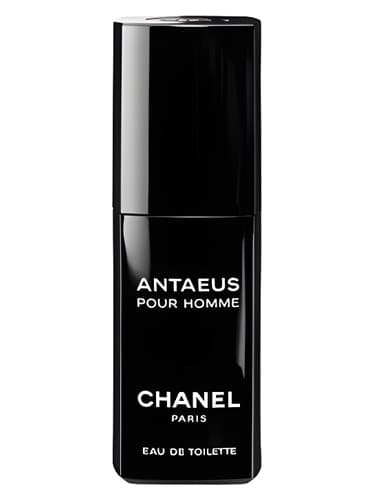
A distinguished masculine creation from the house of Chanel, this woody chypre composition arrived in 1981 from the skilled hand of perfumer Jacques Polge. Drawing inspiration from the mythological Greek demigod renowned for his strength, this scent embodies bold individuality and assertive masculinity that defined the era. The opening delivers an invigorating burst of clary sage, coriander, bergamot, lime, lemon from the Amalfi coast, and aromatic myrtle. These herbal-citrus elements give way to a sophisticated floral heart where rose mingles with thyme, basil, and jasmine, creating an unexpected tenderness beneath the rugged exterior. As it develops, the composition builds warmth and intensity through its foundation of patchouli, castoreum, oakmoss, and French labdanum. The animalic castoreum and leather undertones contribute a sharp, primal quality that grounds the fragrance with unmistakable depth and virility.
Fragrance Notes
Accords
woody
aromatic
leather
mossy
earthy
smoky
musky
rose
patchouli
citrus
When to Wear
Best Seasons
Time of Day
☀️Day14%
🌙Night24%
Where to Buy
This site contains affiliate links. As an Amazon Associate and partner of other retailers, we earn from qualifying purchases at no extra cost to you.
Community Review
Chanel's bold 1981 leathery chypre remains a masterpiece of masculine perfumery in its original form, but multiple reformulations have created a contentious gap between the legendary vintage and the divisive modern version.
The Verdict
Chanel Antaeus, created by Jacques Polge in 1981, is one of perfumery's great masculine legends. Named after the mythological Greek demigod renowned for his strength, this woody chypre composition with its bold leather and castoreum accord defined an era of unapologetic masculine fragrance. At its best, in vintage formulations, it has been called "one of the most spectacular leathery chypres ever created."
However, Antaeus in 2026 is a fragrance where the conversation is dominated by what it was versus what it has become. Multiple reformulations over the decades have progressively tamed the animalic, leathery character that made the original legendary. The community is sharply divided on whether the current version is a worthy heir or a pale shadow. The truth, as many reviewers suggest, lies somewhere in between: the modern Antaeus is still a good fragrance, but it no longer reaches the heights of its predecessor.
What It Smells Like
Antaeus opens with an invigorating herbal-citrus burst of clary sage, coriander, bergamot, lime, and lemon. Myrtle adds an aromatic green quality that gives the top notes a brisk, confident character. In vintage formulations, this opening has a more aggressive, aldehydic edge; in modern versions, it reads as smoother and more approachable.
The heart reveals an unexpected tenderness beneath the rugged exterior, as rose meets thyme, basil, and jasmine. This floral-herbal interplay is beautifully done, adding complexity without softening the overall masculine impression. The honeyed tobacco note that some reviewers detect adds warmth and richness to this transitional phase.
The base is where Antaeus makes its defining statement: patchouli, castoreum, oakmoss, and labdanum create a foundation of leather, earth, and animalic warmth. In vintage bottles, the castoreum is powerful and primal; in modern versions, it is more synthetic and subdued, with an earthy, wet soil undertone replacing some of the original virility. The overall effect is of sweet, soft, almost powdery woods and musk in the later hours.
When to Wear It
Antaeus is best suited for cool-weather evening wear. Its leather and chypre character reads as sophisticated and assertive, making it appropriate for formal dinners, evening events, and occasions that call for a distinguished masculine presence. Fall and winter are its natural seasons, though it can work in cooler spring evenings as well.
This is not a casual or daytime fragrance. Its character is too bold and its associations too formal for beach outings or weekend errands. It belongs to a world of tailored suits and evening events.
Longevity & Projection
Performance is one of the most contested aspects of Antaeus. Vintage formulations are universally praised for strong projection and all-day longevity. Modern versions receive mixed reports: some wearers find decent longevity and above-average projection, while others describe it as "a close quarter ghost scent after 30 minutes." The most recent batch assessments suggest some improvement over the widely criticized 2013-2015 reformulations, but performance still falls short of the original.
A now-deleted formulation comparison thread on Basenotes captures the frustration: many describe the vintage as a 5-star fragrance and the current as merely acceptable. Those purchasing today should set expectations for moderate rather than legendary performance.
The Community Says
Barsenotes threads on Antaeus are dominated by reformulation discussions. The question "Is the modern Chanel Antaeus worth getting?" generates passionate responses on both sides. Supporters of the current version note it is "much better than 2013-2015 reformulations, smells great and lasts better." Some actually prefer the modern version as "more wearable, less animalic in the base."
Critics are blunt: "unfortunately another pitiful reformulation, only buy this vintage" is a representative sentiment. The vintage-versus-modern debate extends to whether newcomers can even appreciate what they are missing, with some arguing that for those who never experienced the original, the current version is perfectly enjoyable.
Now Smell This's review describes the modern version as having "become more feminine with age" compared to the powerhouse of the 1990s, noting a shift from powerful complexity to smooth linearity.
Who Should Buy This
Antaeus appeals to lovers of classic masculine perfumery, leather fragrances, and chypre compositions. Those who appreciate vintage-style fragrances with herbal-aromatic openings, leathery hearts, and mossy-animalic bases will find much to enjoy, even in the modern version. It is also worth exploring for anyone curious about the foundations of masculine perfumery history.
Avoid Antaeus if you prefer modern, fresh, or sweet masculine fragrances. If you are specifically seeking the legendary vintage experience, the current version may disappoint. Hunters of vintage bottles should be prepared for high prices and the challenge of authentication.
The Bottom Line
Chanel Antaeus remains a significant work in masculine perfumery, even if its modern incarnation cannot fully recapture the magic of the 1981 original. The leathery chypre framework, herbal opening, and mossy-castoreum base still offer a distinctive experience unlike anything else in the current market. Approached on its own terms rather than in comparison to the vintage legend, it is a worthwhile addition to any collection that values classic masculine elegance.
Consensus Rating
7.7/10
Community Sentiment
mixedSources Analyzed
15 community posts (9 Reddit) (6 forum)
Pros
- + Iconic leathery chypre composition
- + Bold masculine character
- + Distinctive castoreum and leather accord
- + Still wearable and enjoyable in modern form
Cons
- - Multiple reformulations have weakened the original
- - Modern version lacks the animalic depth of vintage
- - Longevity reduced in newer batches
- - Vintage bottles increasingly rare and expensive
Best For
Evening eventsFormal dinnersFall outingsWinter occasions
Best Seasons
fallwinterspring
This review is based on analysis of 15 community discussions. Individual experiences may vary.